

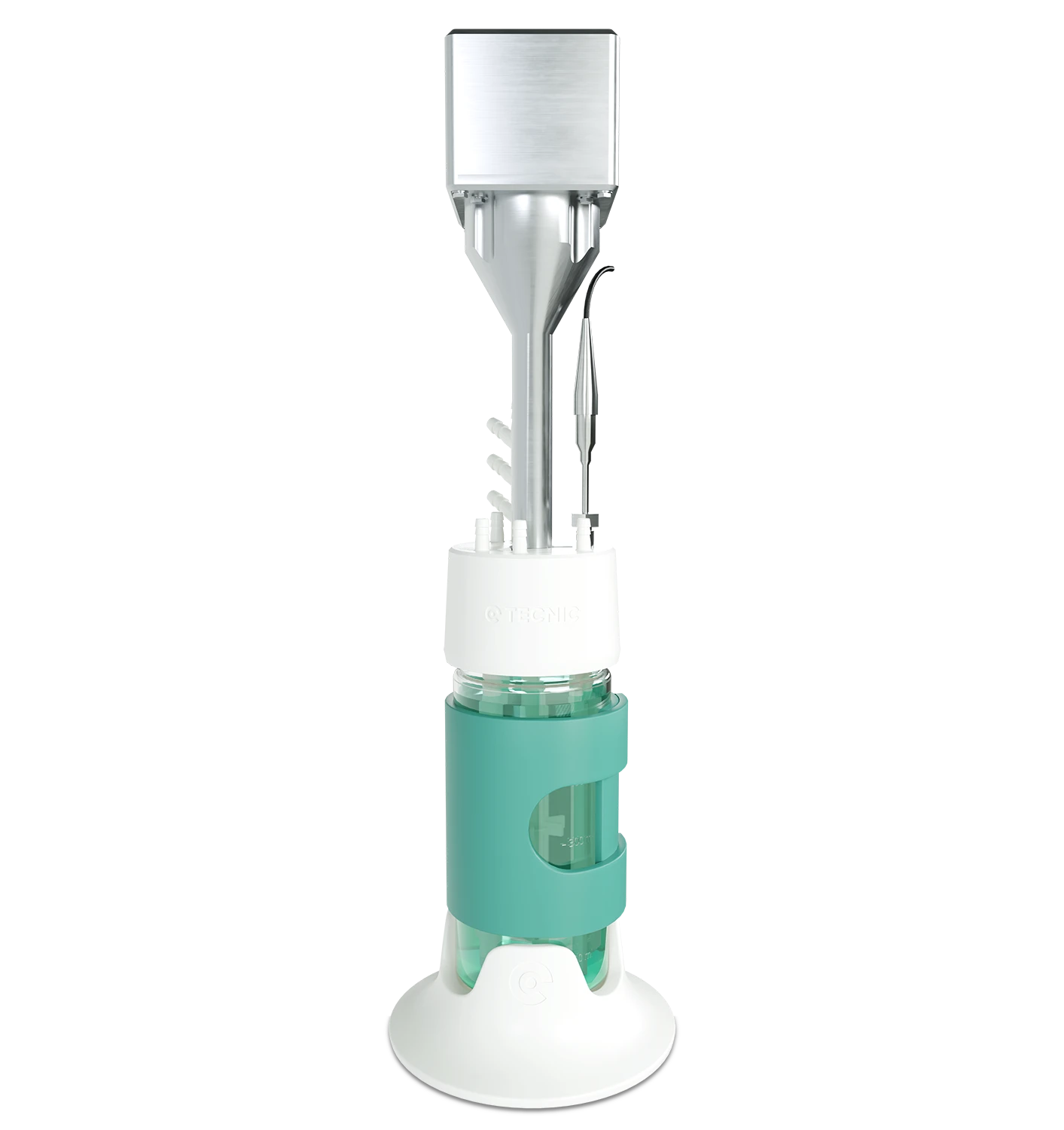


Growth factors can transform bioreactor performance because they do more than support cell growth. They influence how cells proliferate, differentiate and respond to the process environment, which means they affect productivity, culture stability and final outcome.
In practical bioprocessing, the useful question is not only whether growth factors are present. It is how they are introduced, how the cells respond and whether the bioreactor environment can distribute and support them consistently.
Growth factors can improve cell expansion and biological performance, but their real value depends on how well the bioreactor supports mixing, gas distribution, nutrient availability and process consistency.
What growth factors do in a bioreactor
Growth factors are proteins that help regulate how cells grow, proliferate and differentiate. In a bioreactor, that means they can directly influence whether the culture develops in the direction the process needs.
Their role becomes especially important in cell-based applications where cell behaviour matters as much as cell quantity. A growth factor is not just a media supplement, it is part of the biological logic of the process.
If the growth factor is biologically relevant but poorly distributed or badly timed, the process still suffers.
How growth factors are introduced into bioreactors
The article highlights four main strategies that are commonly used to integrate growth factors into a bioreactor environment. Each one changes the release profile, the process design and the level of control the team can maintain.
Growth factors are added directly to the culture medium as a straightforward process input.
Growth factors are embedded in materials such as hydrogels or microspheres before introduction.
Cells are engineered to produce the growth factor continuously inside the culture environment.
Growth factors are attached to scaffold surfaces or bioreactor-related components.
The right approach depends on the process objective, how controlled the release profile needs to be and whether the cells need a uniform soluble signal or a more localised interaction.
Why growth factors can change bioreactor performance
Growth factors affect performance because they alter the biology of the culture, but the bioreactor determines whether that biology can be supported consistently. If the vessel does not mix well, distribute gases evenly or maintain stable control conditions, the biological advantage of the growth factor may be reduced.
This is why the article connects growth factors with bioreactor design itself. The process needs an environment where nutrients, gases and control agents are distributed reliably enough for the cells to respond in a repeatable way.
Cell culture vs microbial context
The article makes an important distinction between cell culture and microbial configurations. That matters because growth factor relevance is much stronger in shear-sensitive and biologically responsive cell systems than in robust microbial fermentations, where oxygen demand and mixing power are often the main priorities.
Cell culture configuration
More relevant when the process depends on moderate shear, stable oxygen transfer and even distribution of nutrients and control agents, which is where growth factors often matter most.
Microbial configuration
More focused on high oxygen transfer, stronger mixing and robust fermentation behaviour, where growth factor logic is usually less central than in mammalian or insect cell systems.
In cell culture, growth factors are often part of the process strategy. In microbial work, process performance is usually driven more by oxygen transfer and mixing than by signalling proteins.
What teams should check before optimising growth factor use
If growth factors are being used to improve culture performance, the process setup needs to be reviewed as a whole, not only at the media level.
How TECNIC fits this workflow
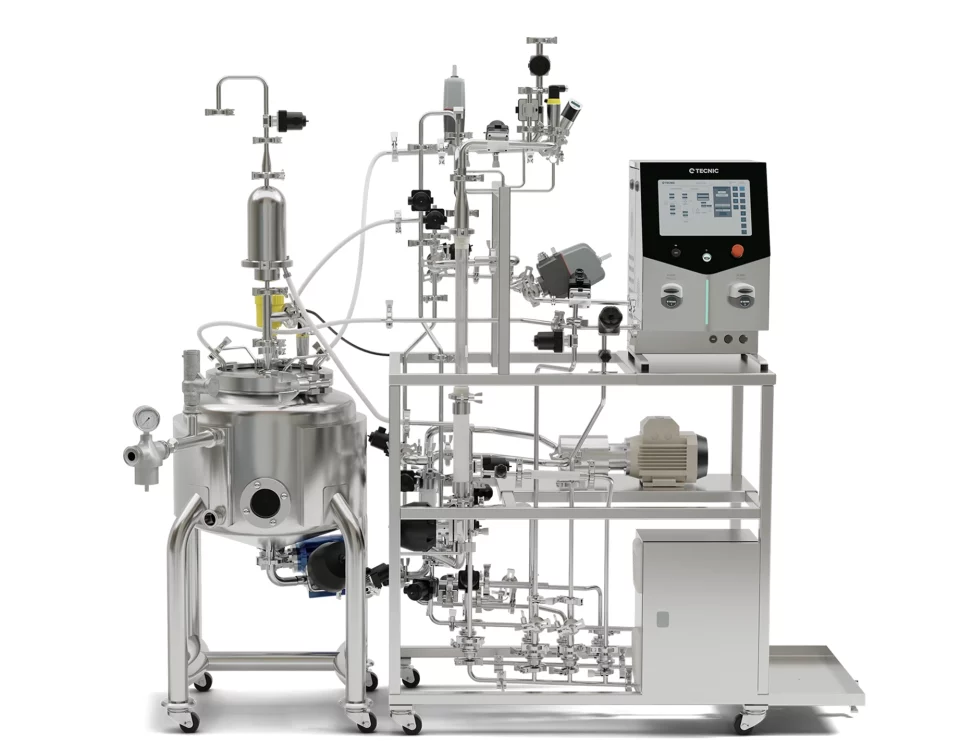
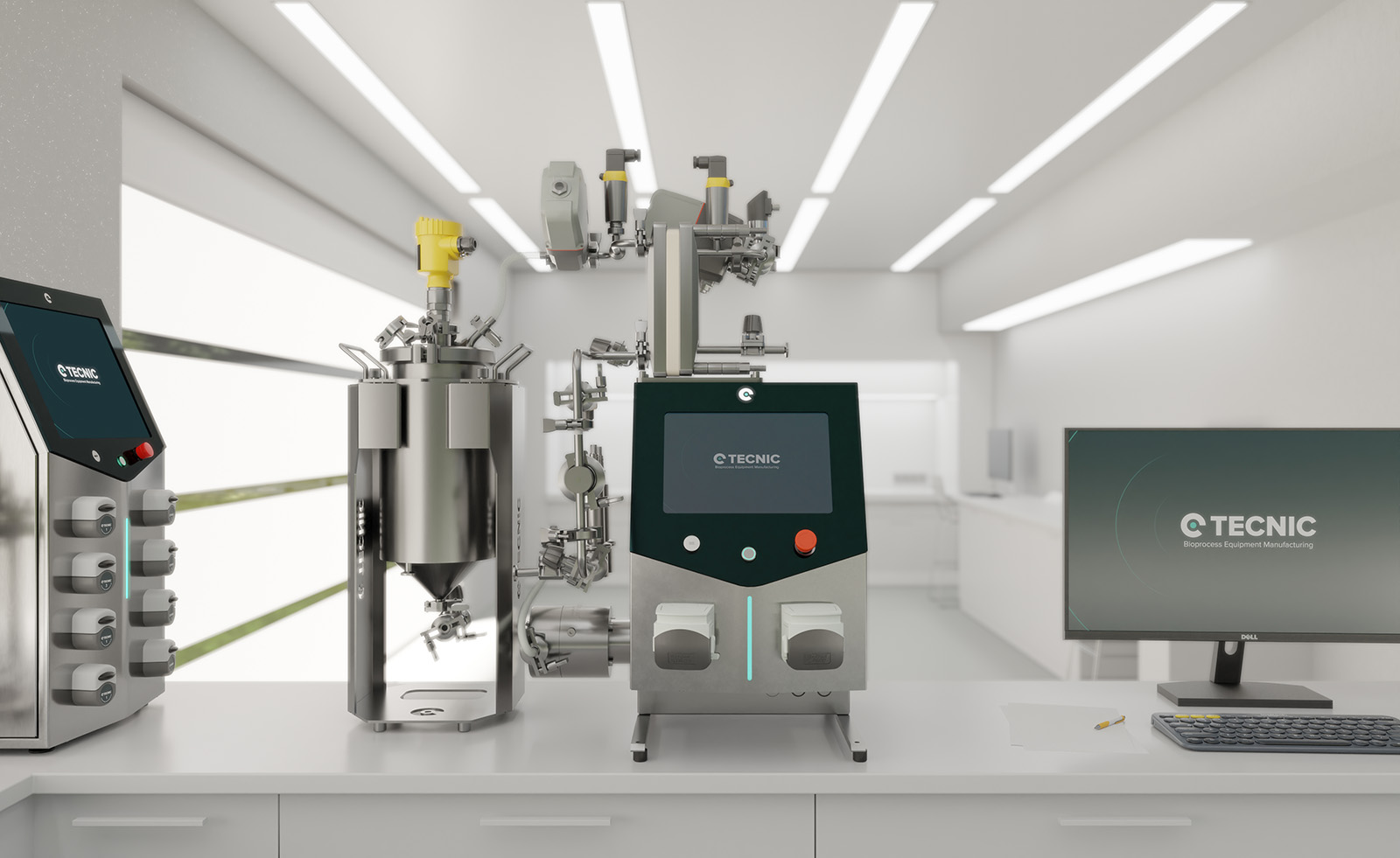
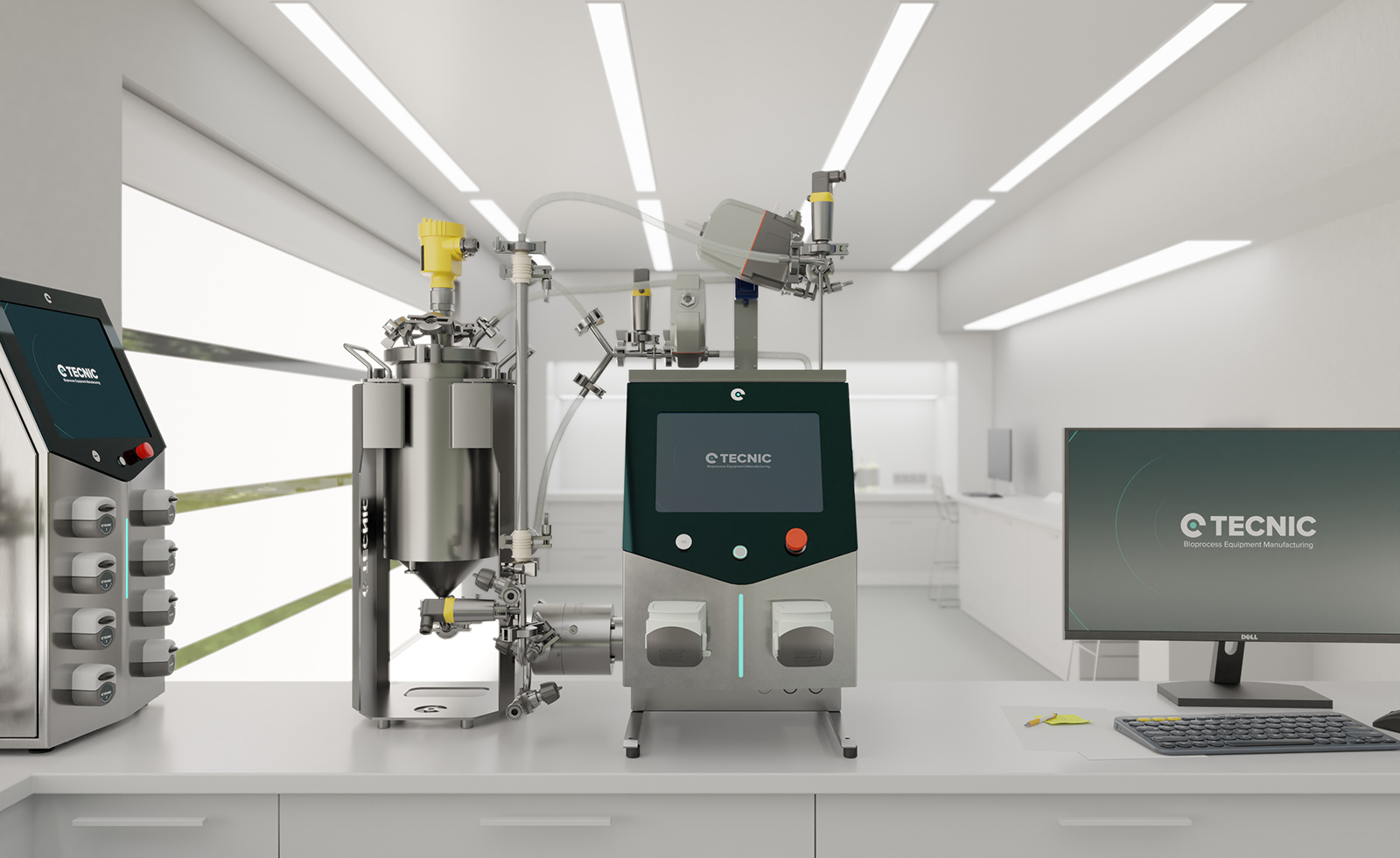
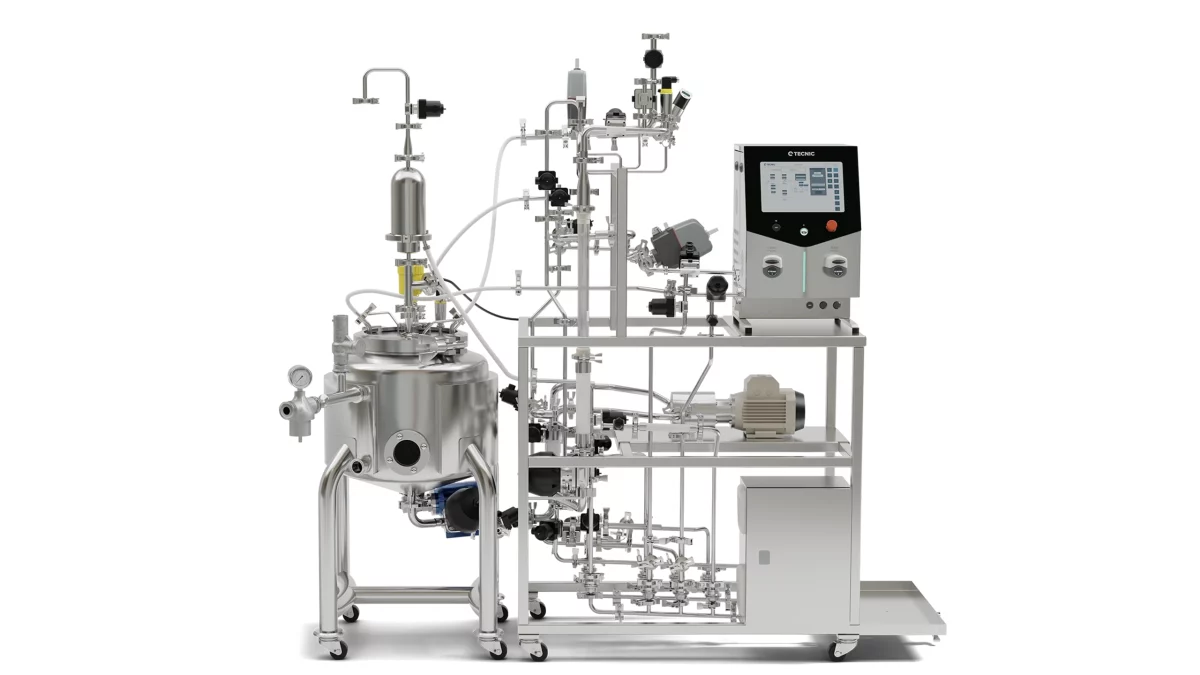
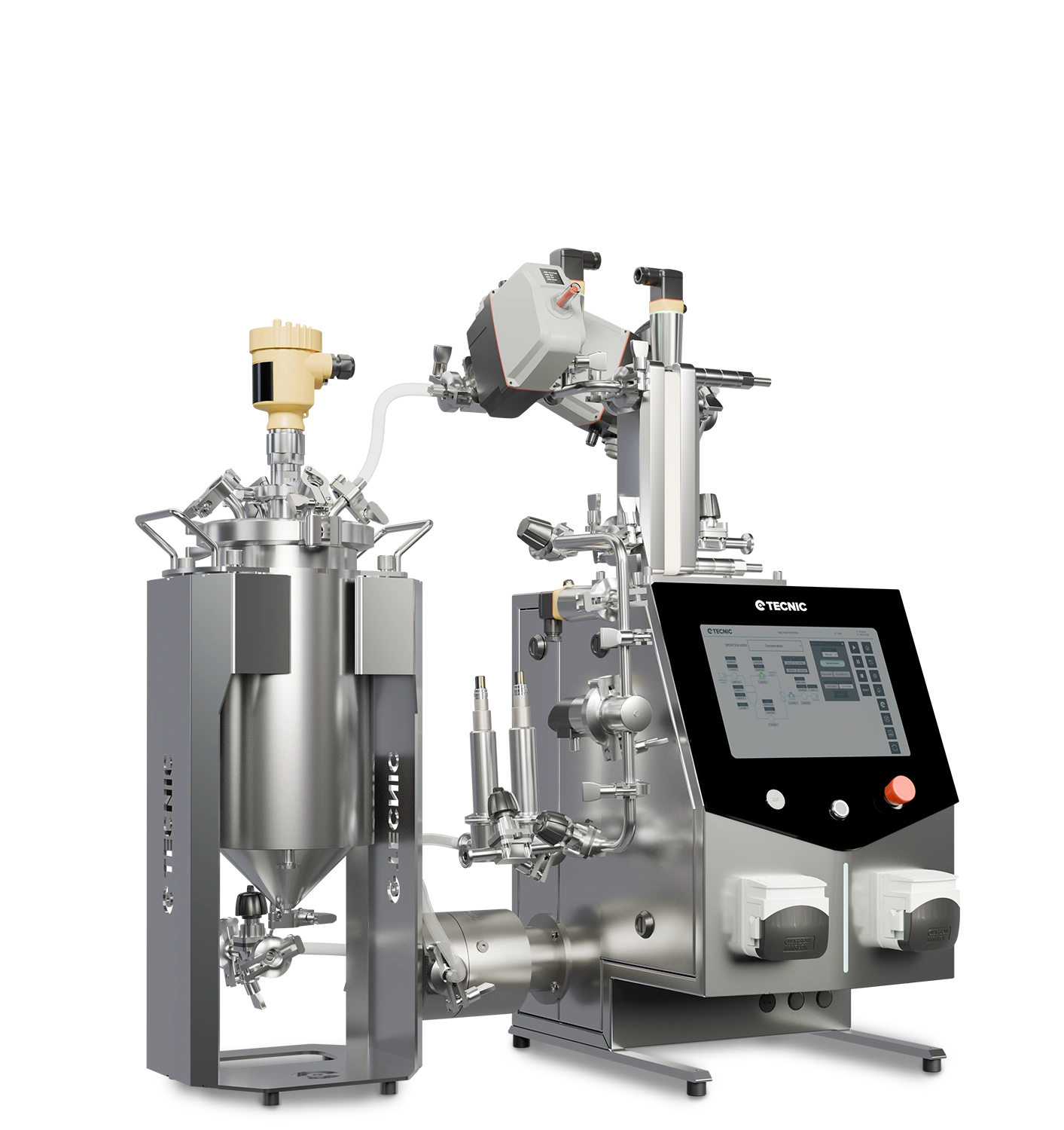
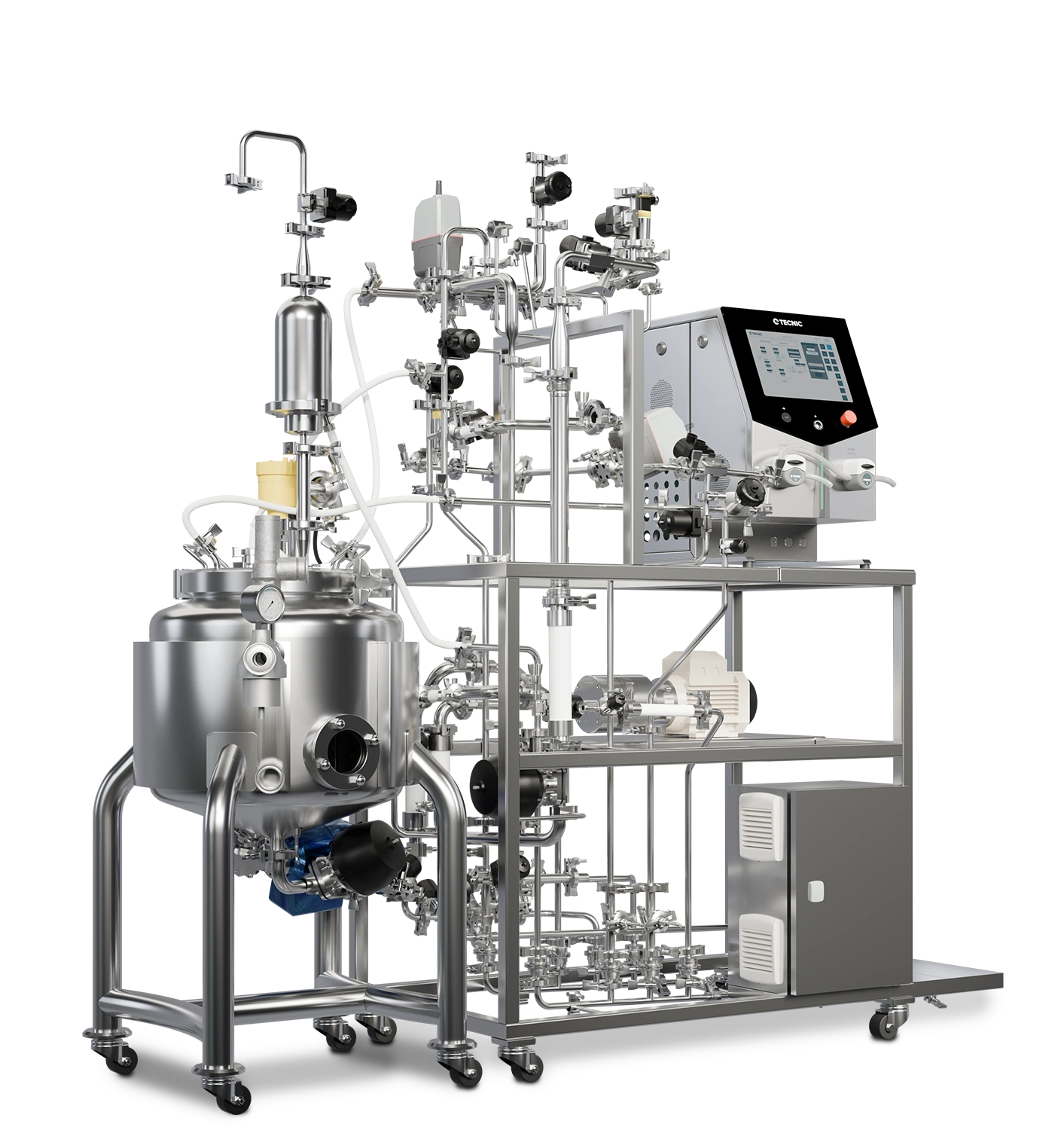
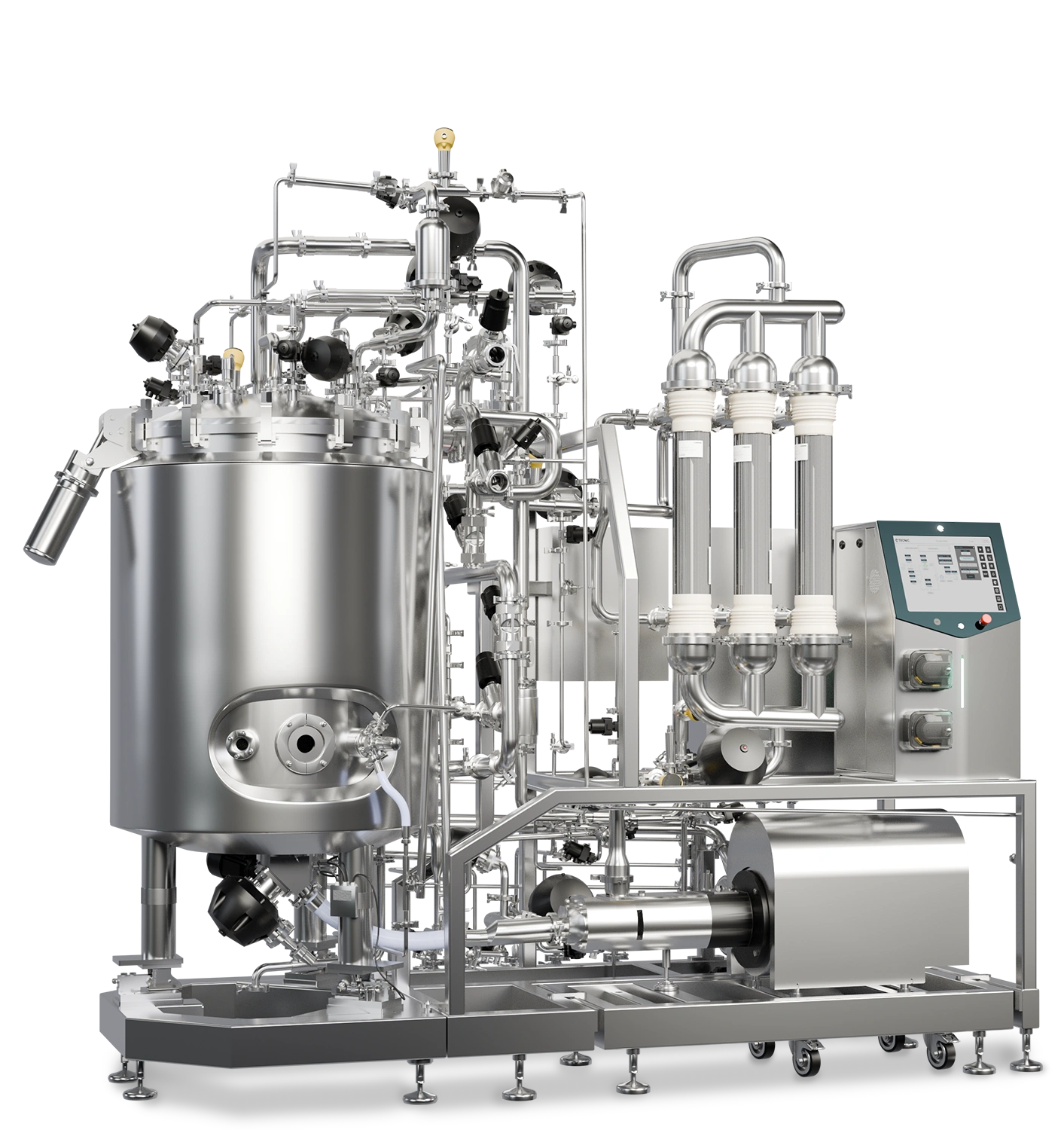
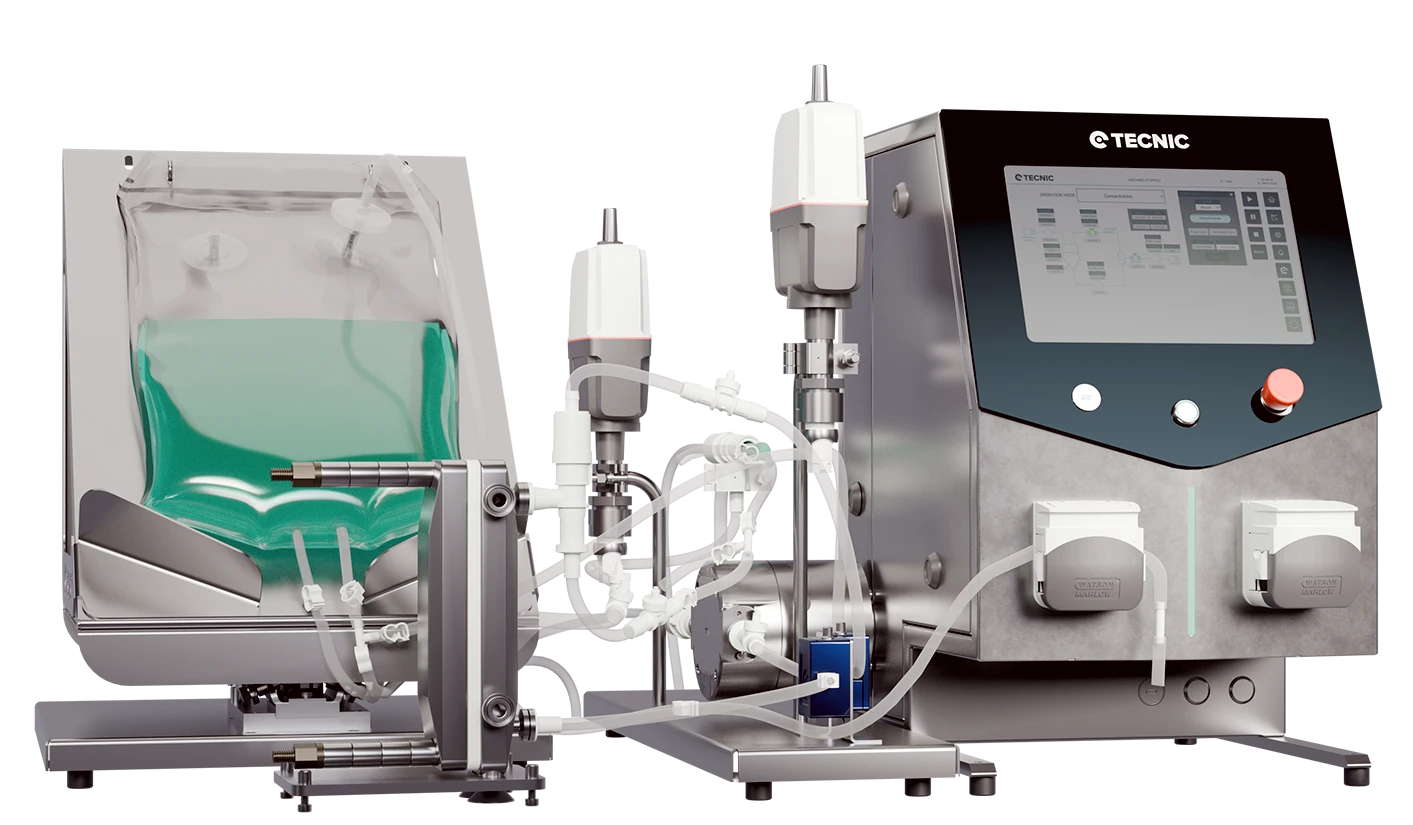
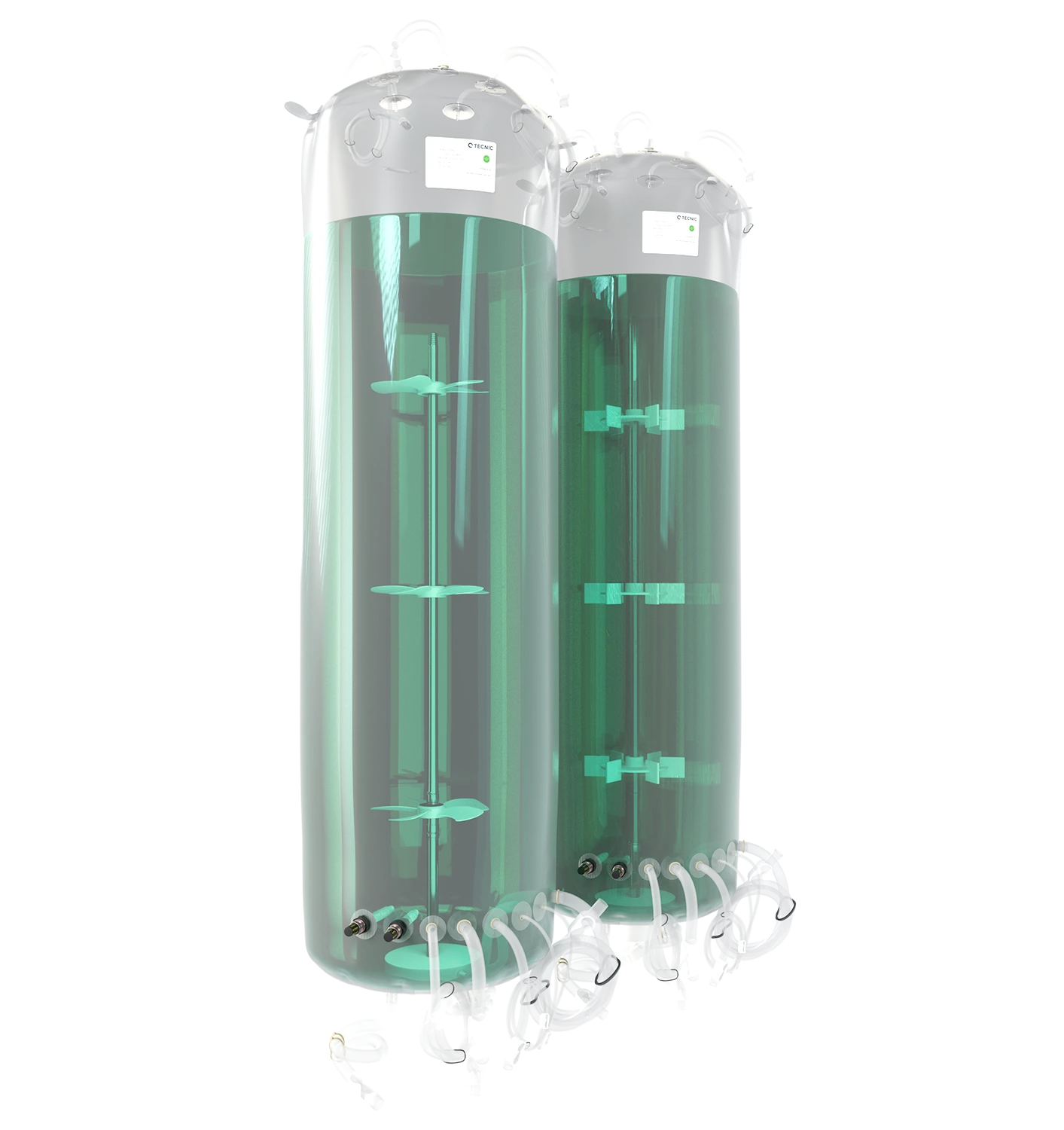
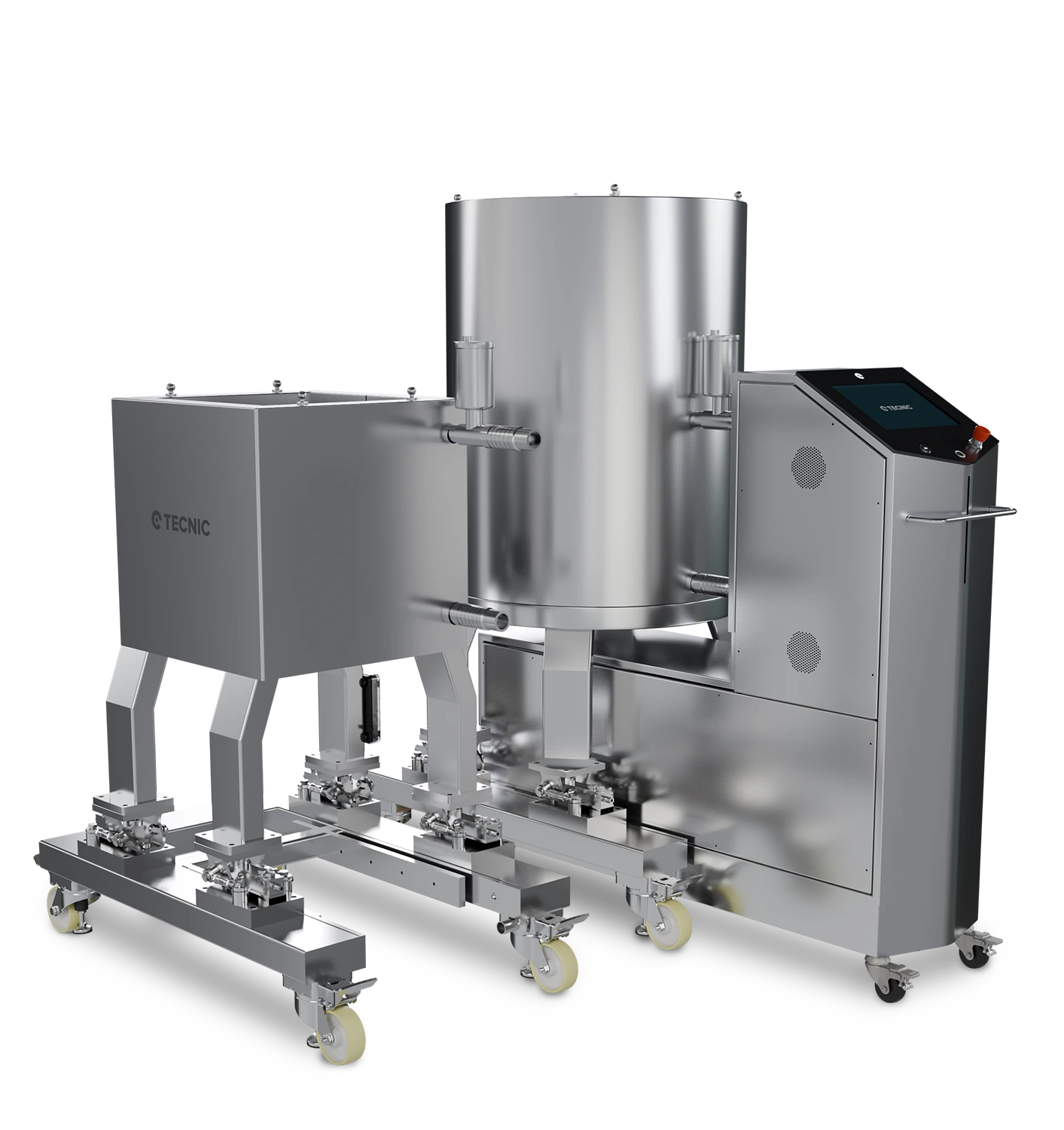
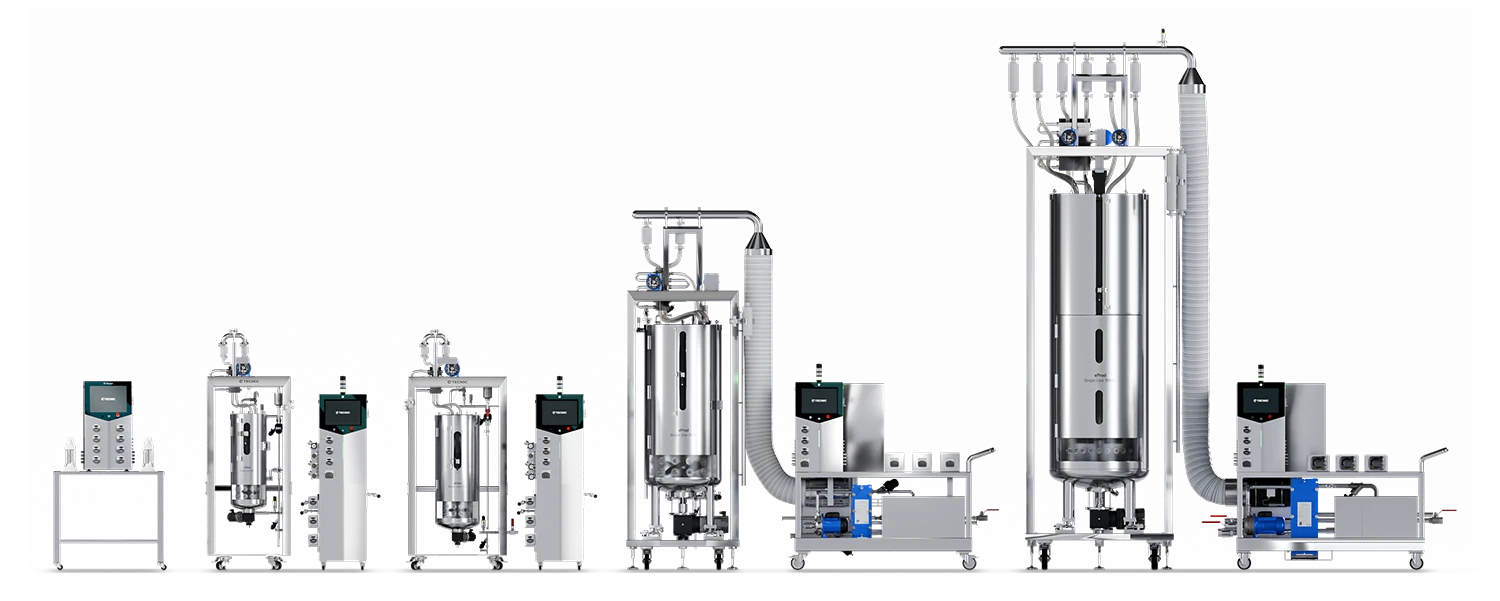
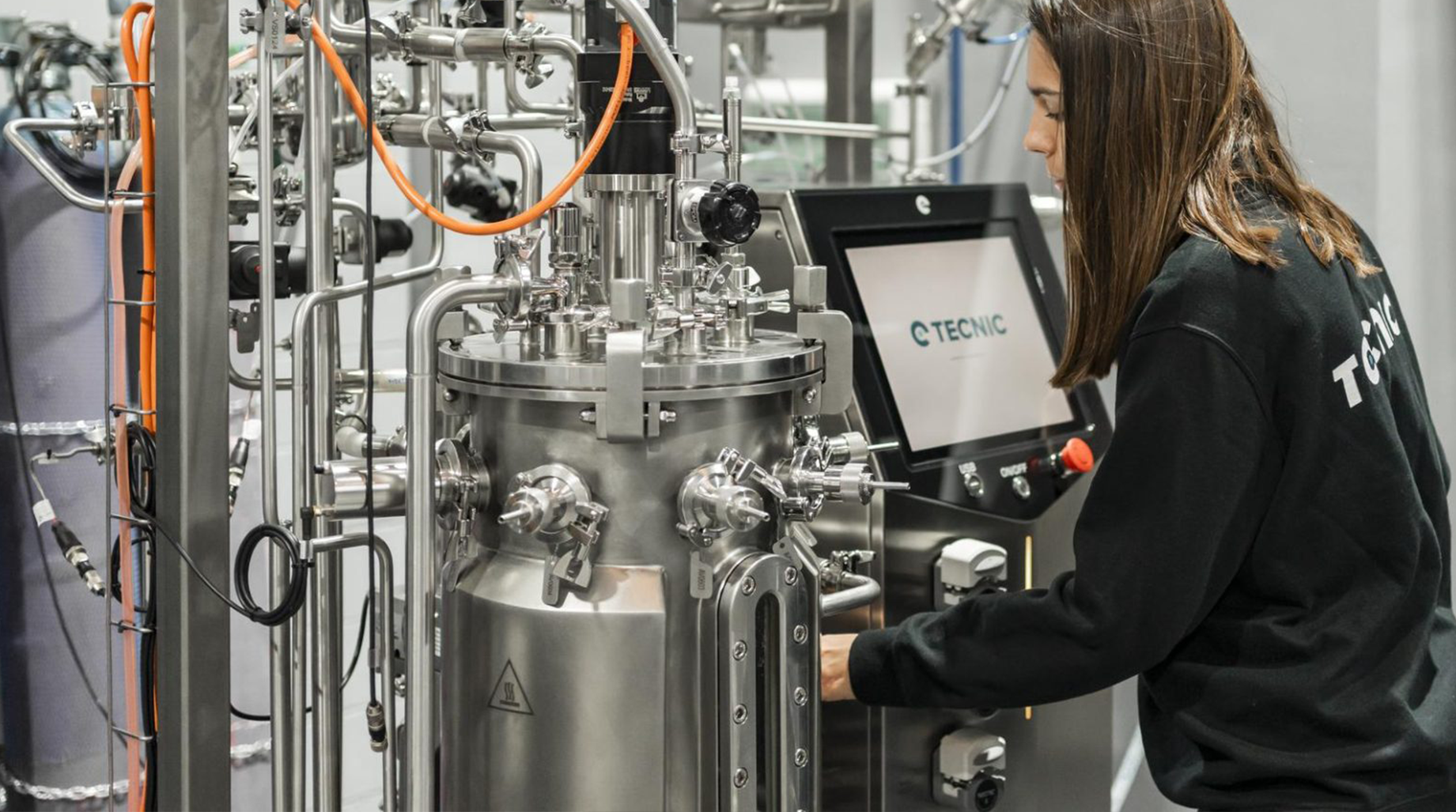
The current article connects growth factors with the practical realities of bioreactor design. That creates a natural bridge to TECNIC’s lab and pilot bioreactor platforms, especially where the process depends on controlled cell culture conditions, moderate shear and reproducible mixing.
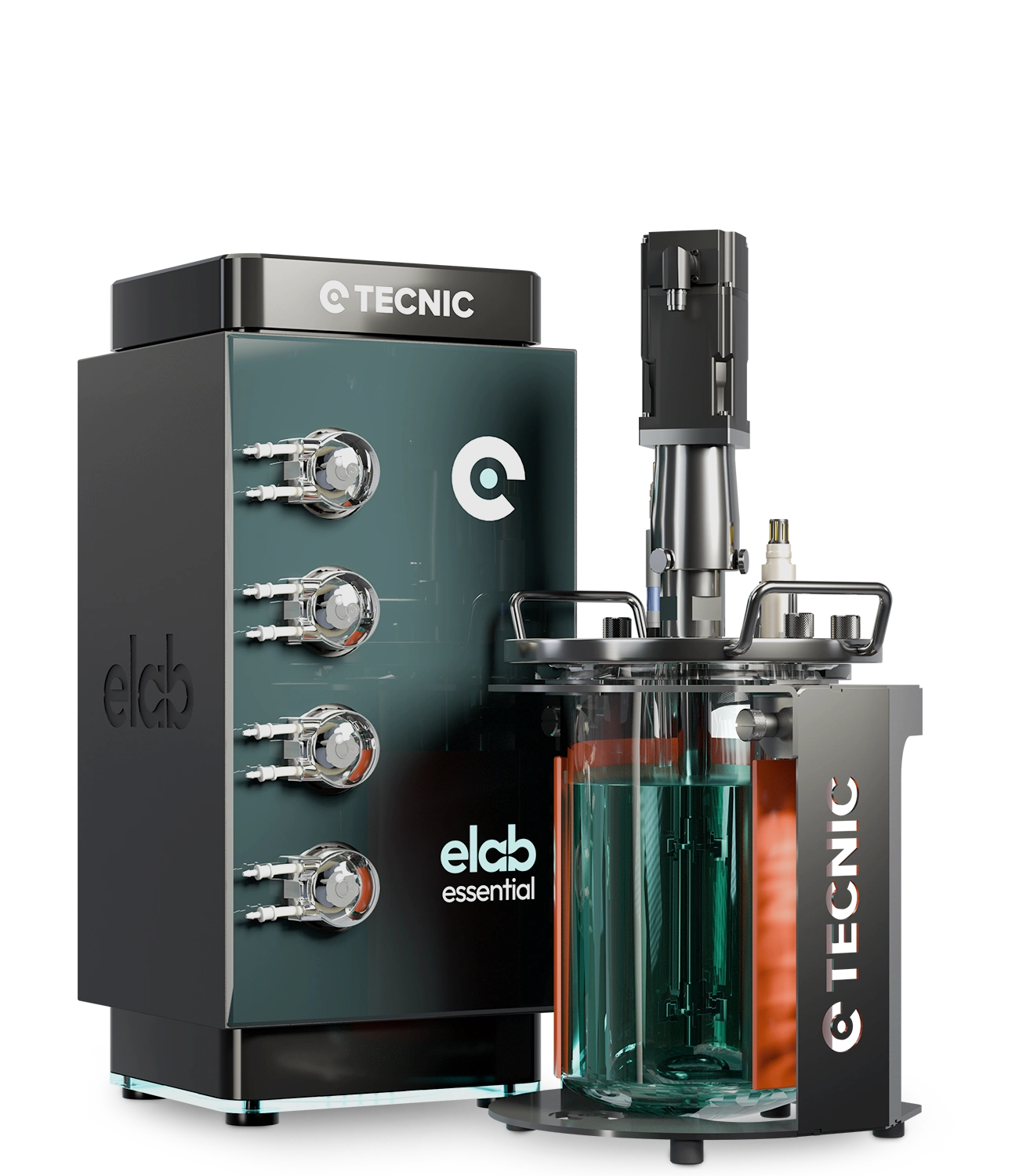
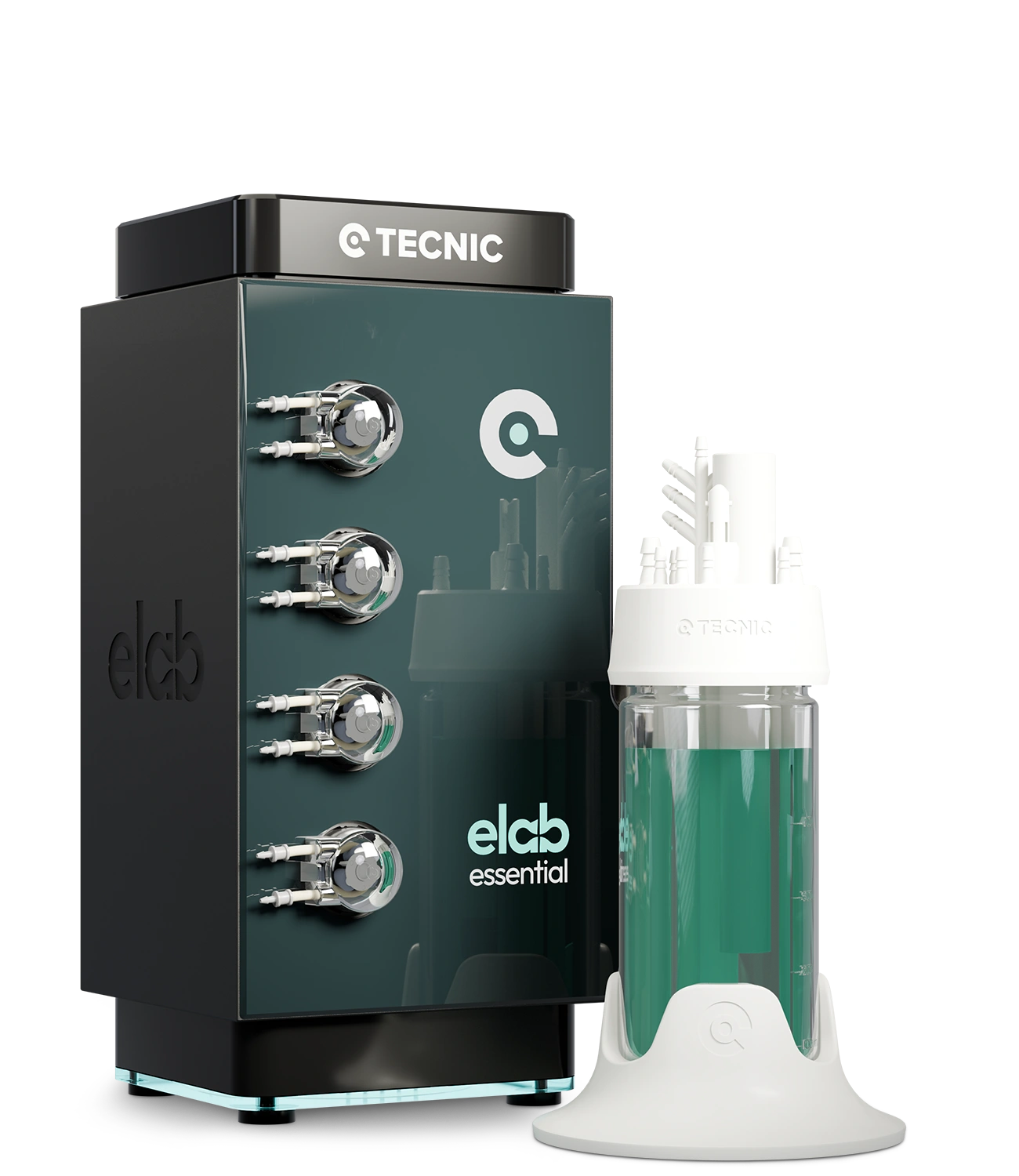
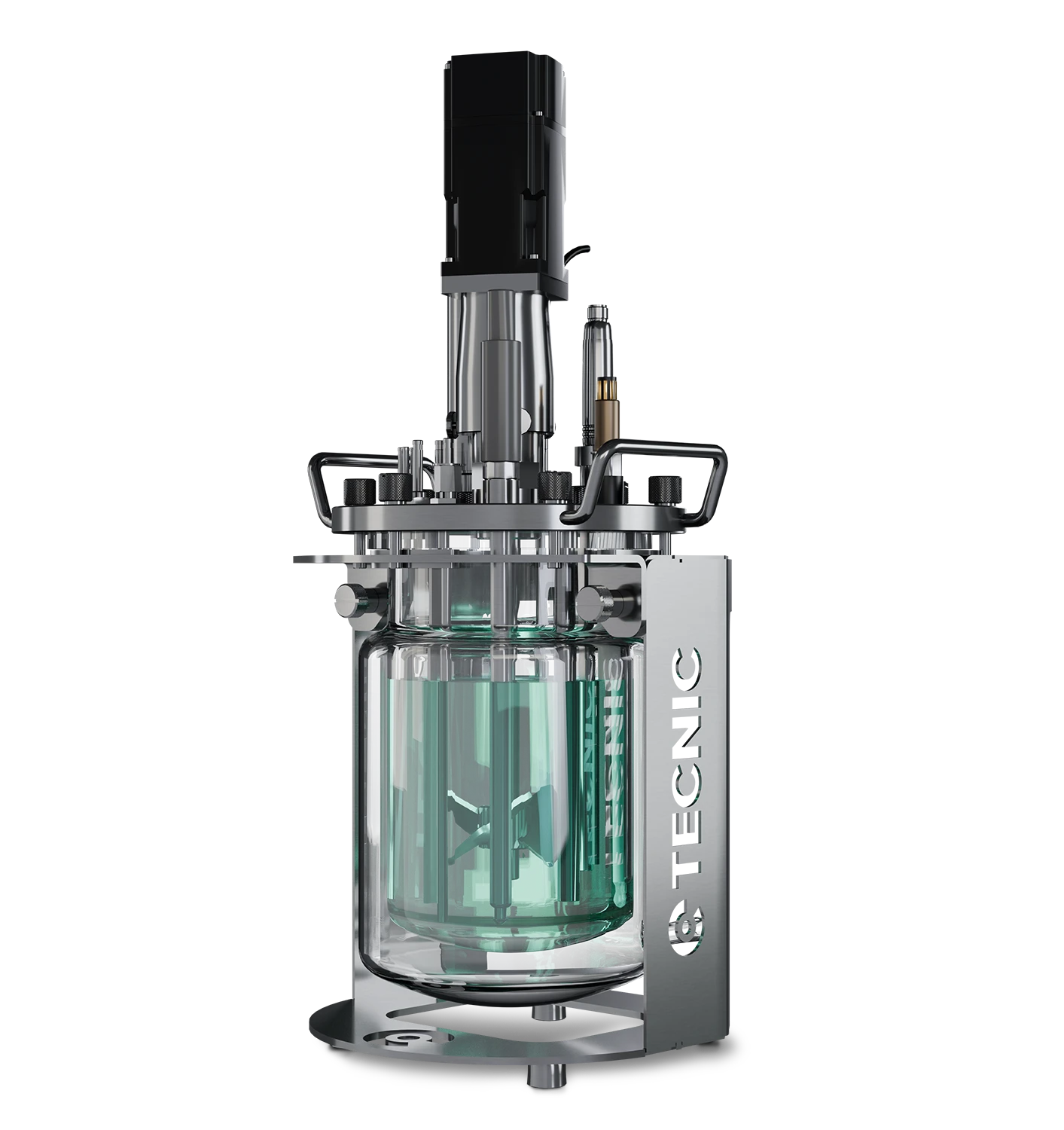
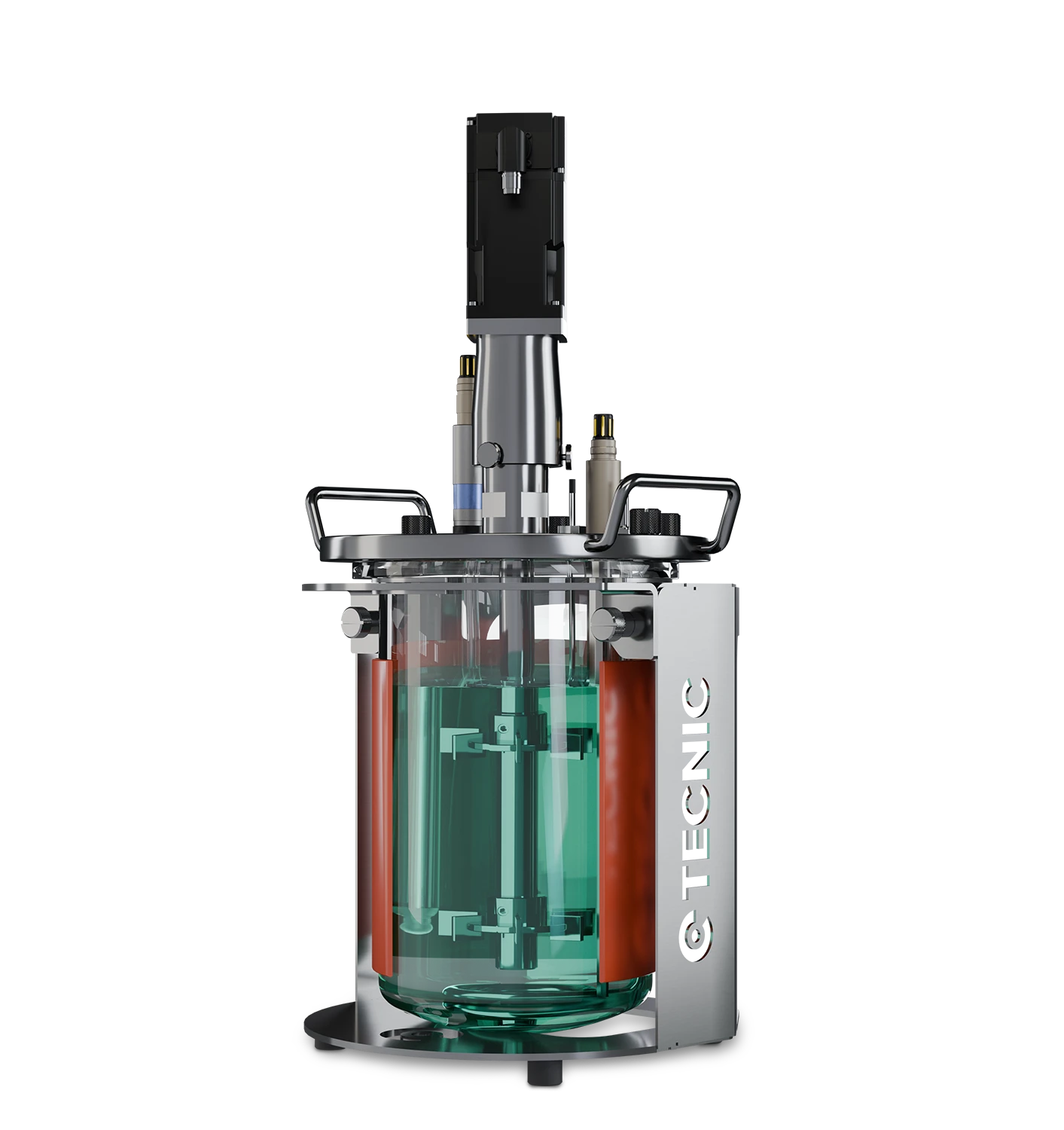
eLab Advanced / eLab Essential logic
The article points clearly toward laboratory cell culture work, where growth factors are most likely to matter as part of process development and early scale-up.
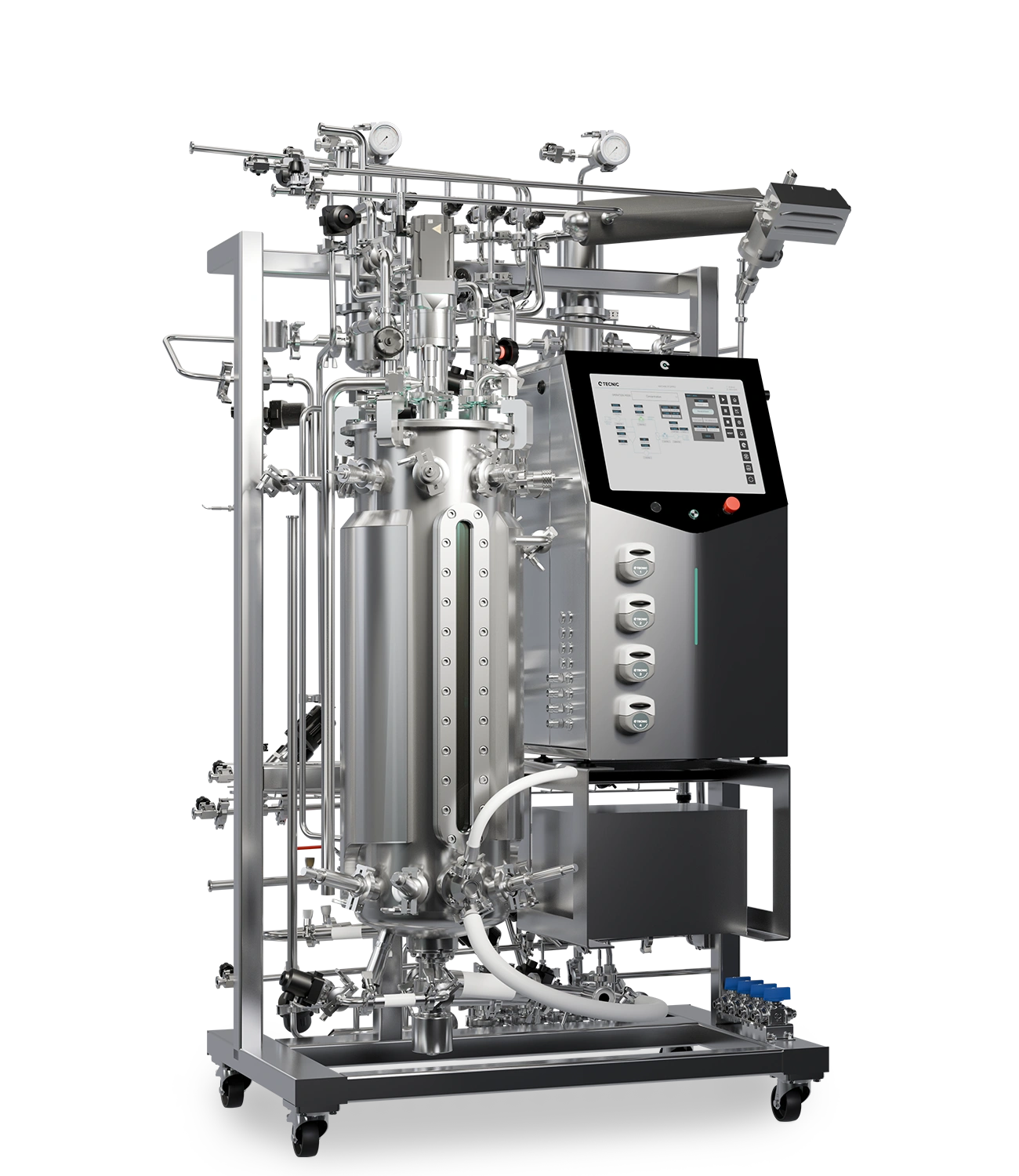
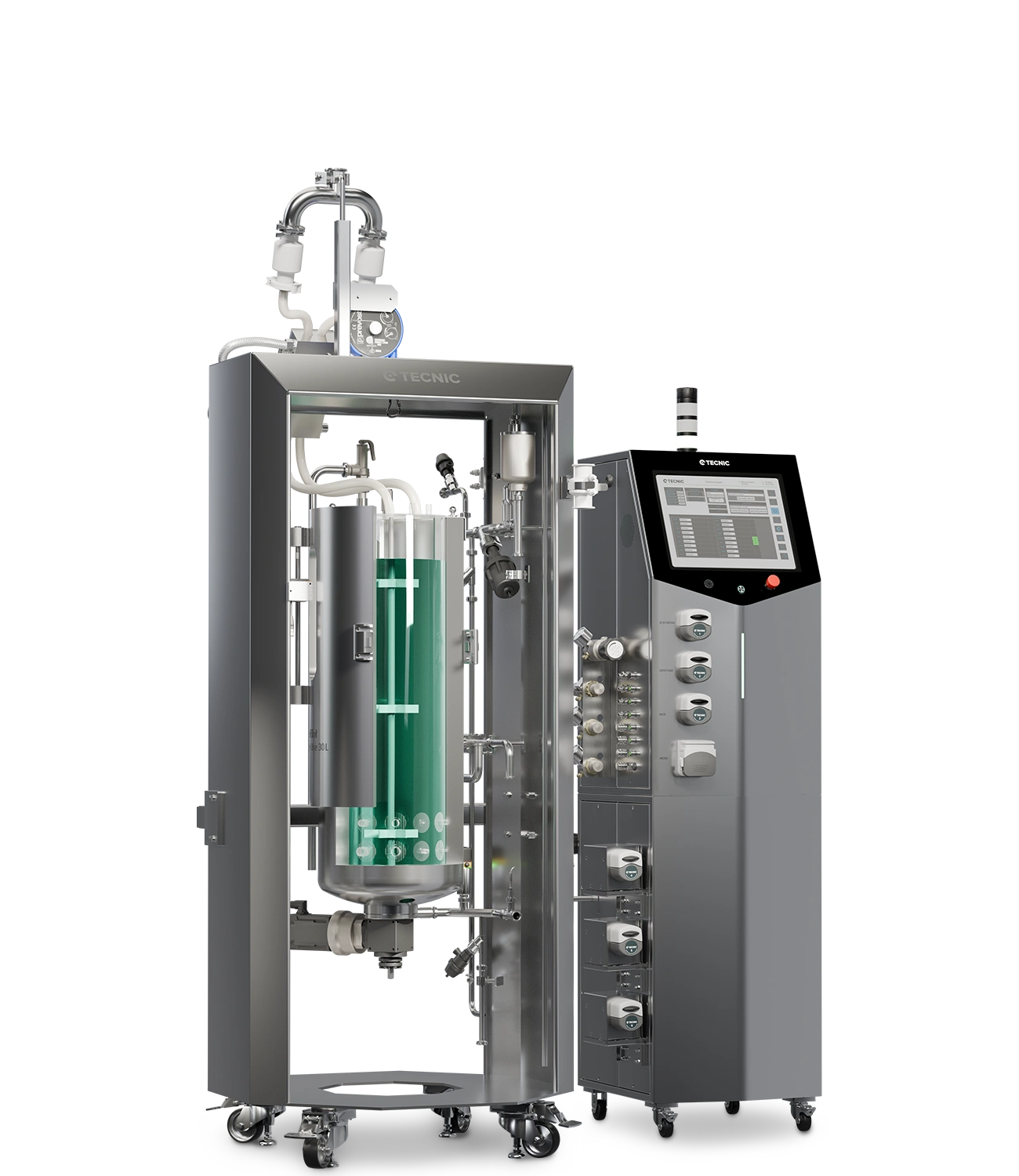
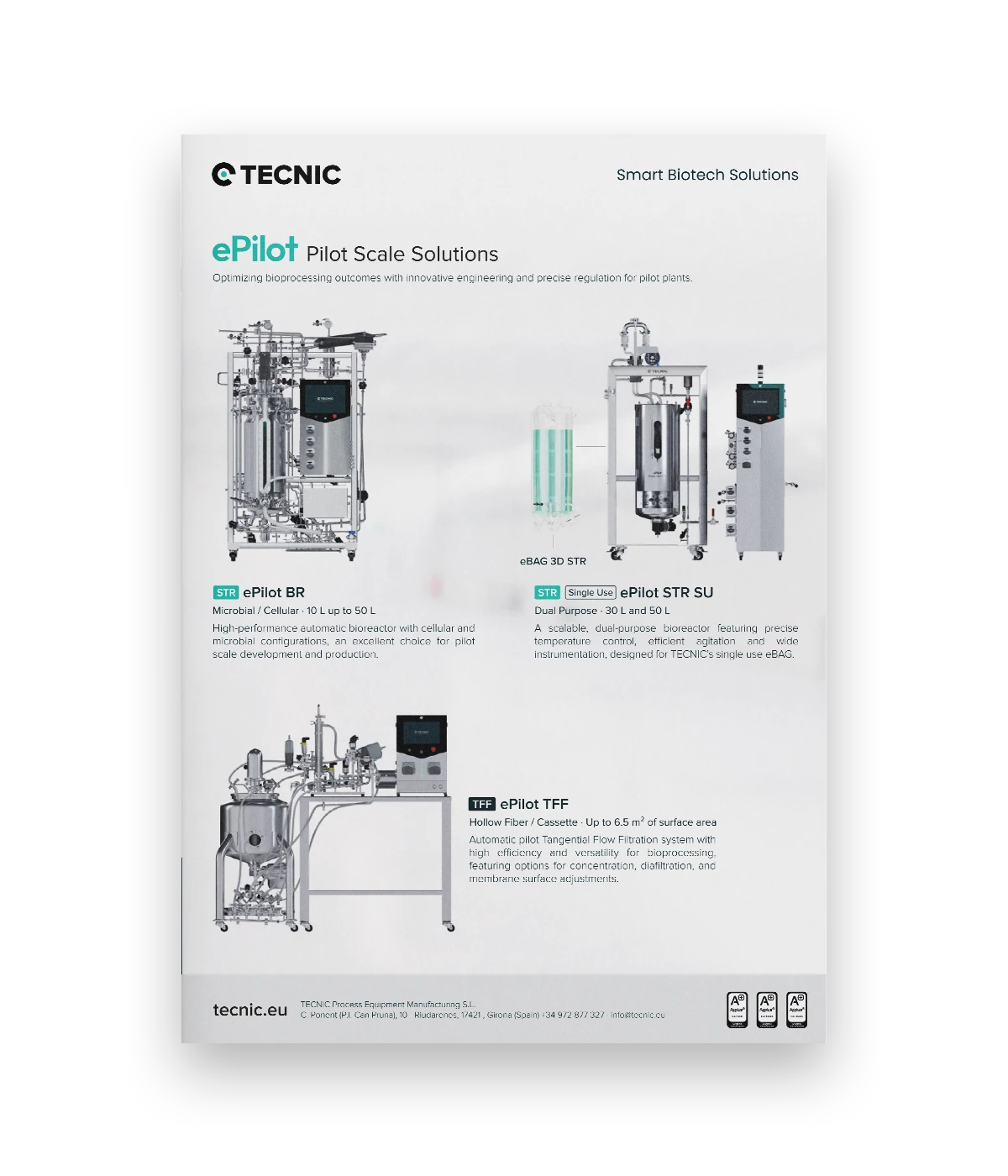
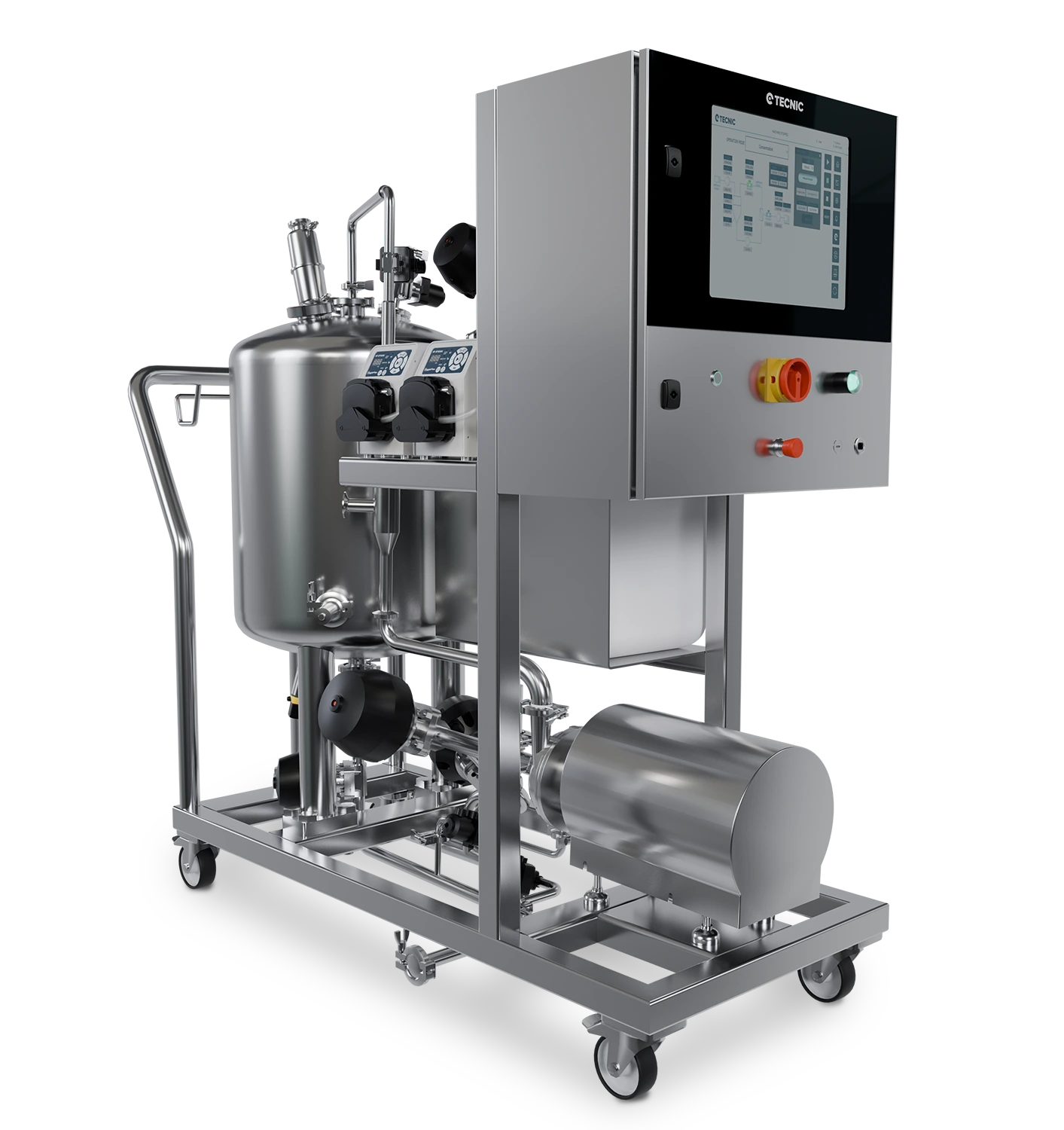
ePilot Bioreactor
Since the topic is strongly linked to controlled growth conditions and process transfer, the pilot bioreactor range is a natural next step from lab evaluation.
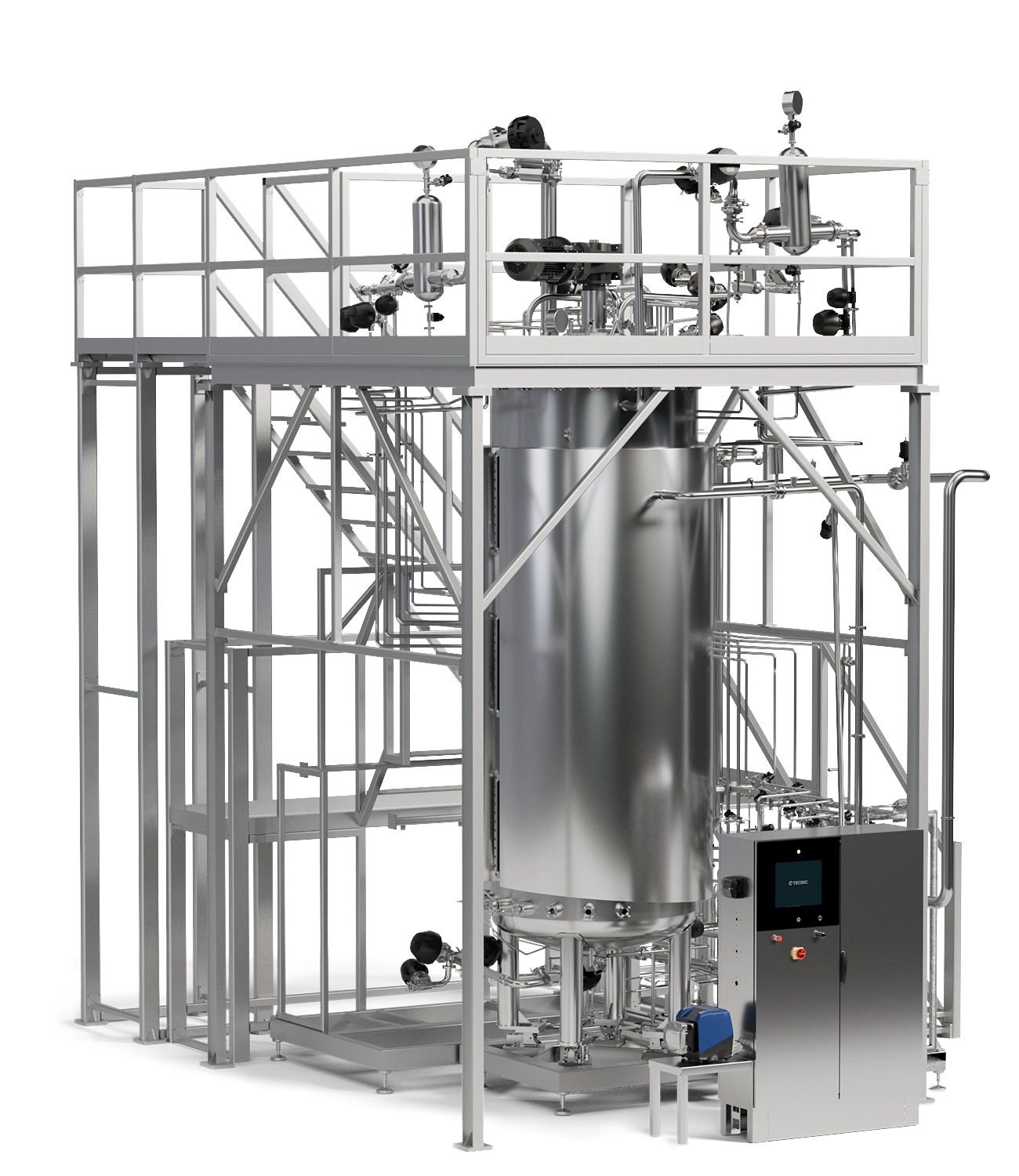
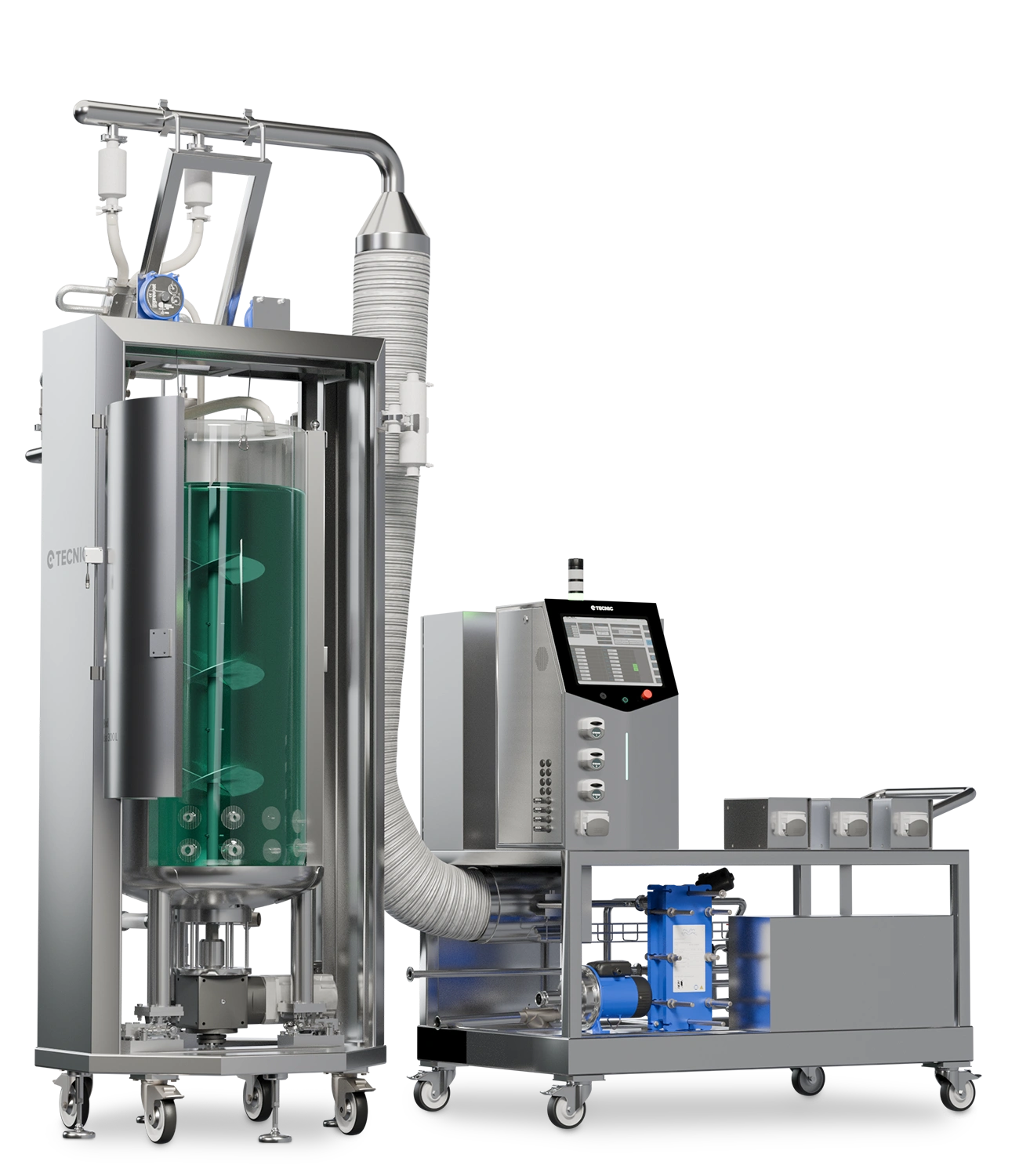
Bioreactor scalability
Growth factor strategies only become more valuable when they can be explored within a credible scale-up path.
Contact TECNIC
For teams evaluating process design around sensitive cultures, a direct technical conversation is often the most useful next step.
This section stays process-oriented on purpose. The goal is to keep the article useful and educational while still connecting it naturally to TECNIC equipment.
Frequently asked questions
What are growth factors in biotechnology?
They are proteins that help regulate cell growth, proliferation and differentiation.
Why do growth factors matter in bioreactors?
Because they influence cell behaviour, and that can directly affect culture performance and biological output.
Are growth factors mainly relevant for cell culture or microbial culture?
They are usually more relevant in cell culture, especially in applications where biological signalling strongly affects culture performance.
What is the simplest way to add growth factors to a bioreactor?
Direct addition to the culture medium is usually the simplest route, although it is not always the most controlled one.
Can growth factors improve performance by themselves?
Not fully. Their value still depends on the surrounding process environment, including mixing, gas transfer and control stability.
Working on sensitive cell culture processes?
Explore TECNIC’s bioreactor range or speak with our team to review the right platform for controlled cell growth and process development.